
Master of Science
Electrical Engineering · Digital Electronics
Amirkabir University of Technology (Tehran Polytechnic), Tehran, Iran
ThesisVideo Stabilization And Image Enhancement
 Alireza Jafari
Senior Software Engineer · C++ / Qt / QML
I am Alireza Jafari, a Senior Software Engineer building robust, scalable and high-performance applications across embedded Linux, Windows, iOS and Android—turning difficult systems into intuitive products.
 Australia
std::future<GreatProduct>Software Developer
As a Senior software developer with over 8 years of experience, I have collaborated with various companies on diverse projects across multiple fields and platforms. I specialize in C++ development, including modern C++ standards, and have strong expertise in Qt and QML.
Experienced in developing robust, scalable, and high-performance applications, I’m adept at collaborating with cross-functional teams to deliver innovative solutions and drive technological advancement.
Deep specialization in the C++ and Qt ecosystem, supported by a broad cross-platform engineering toolkit.
Electrical engineering gave me the systems thinking, mathematical foundation, and hardware awareness that continue to shape my software work.
Amirkabir University of Technology (Tehran Polytechnic), Tehran, Iran
Isfahan University of Technology, Isfahan, Iran
Innovative Software Developer with 8+ years of experience designing and developing software on different platforms.

Software Engineer · Full time
Senior C++ Developer · Full time
Senior Qt/C++ Developer · Part time

Software Engineer · Contractor
Software Developer · Full time
Each project combines complex engineering, performance constraints and a thoughtful interface. Use the controls or swipe to explore every screenshot.
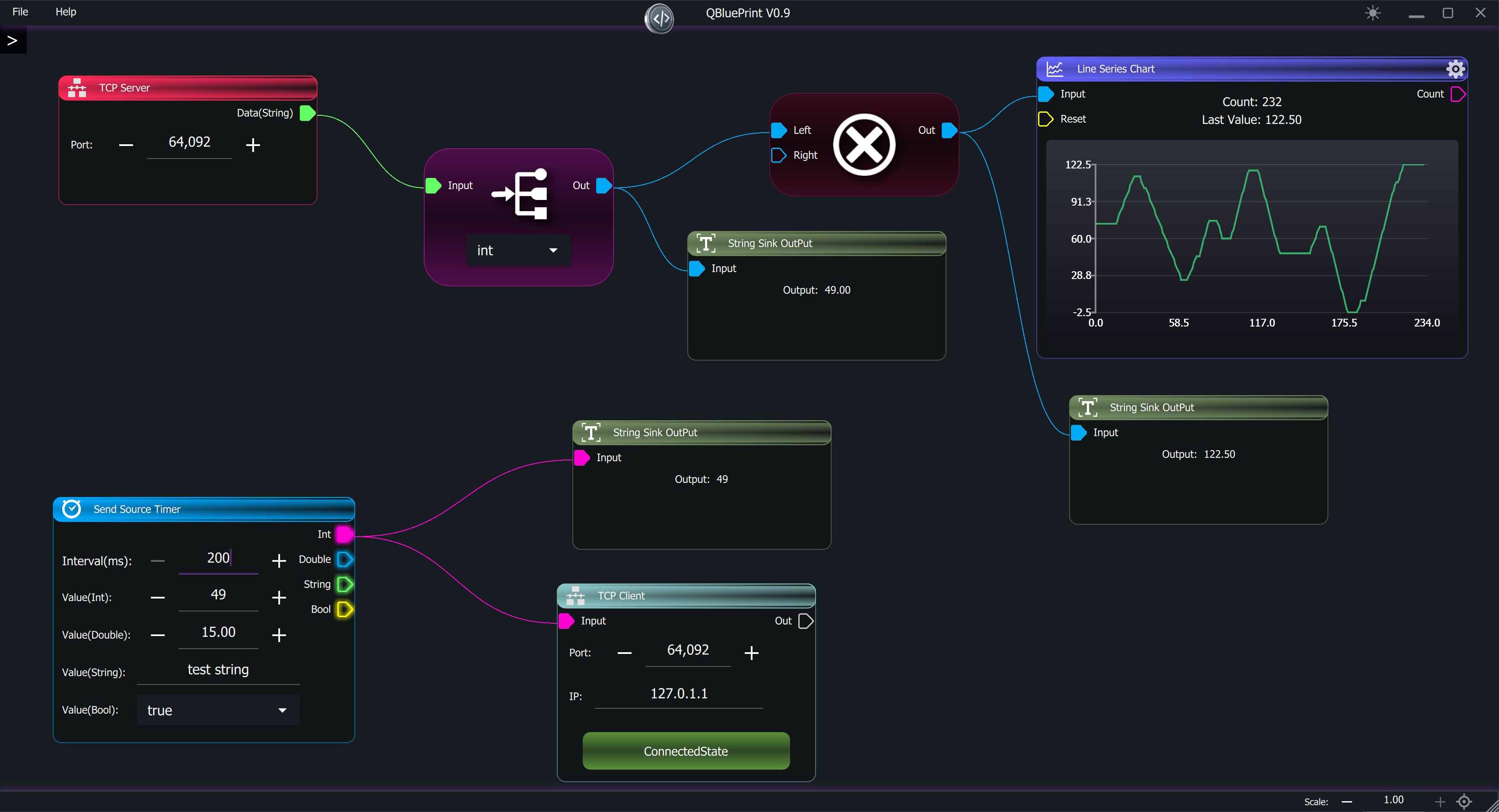
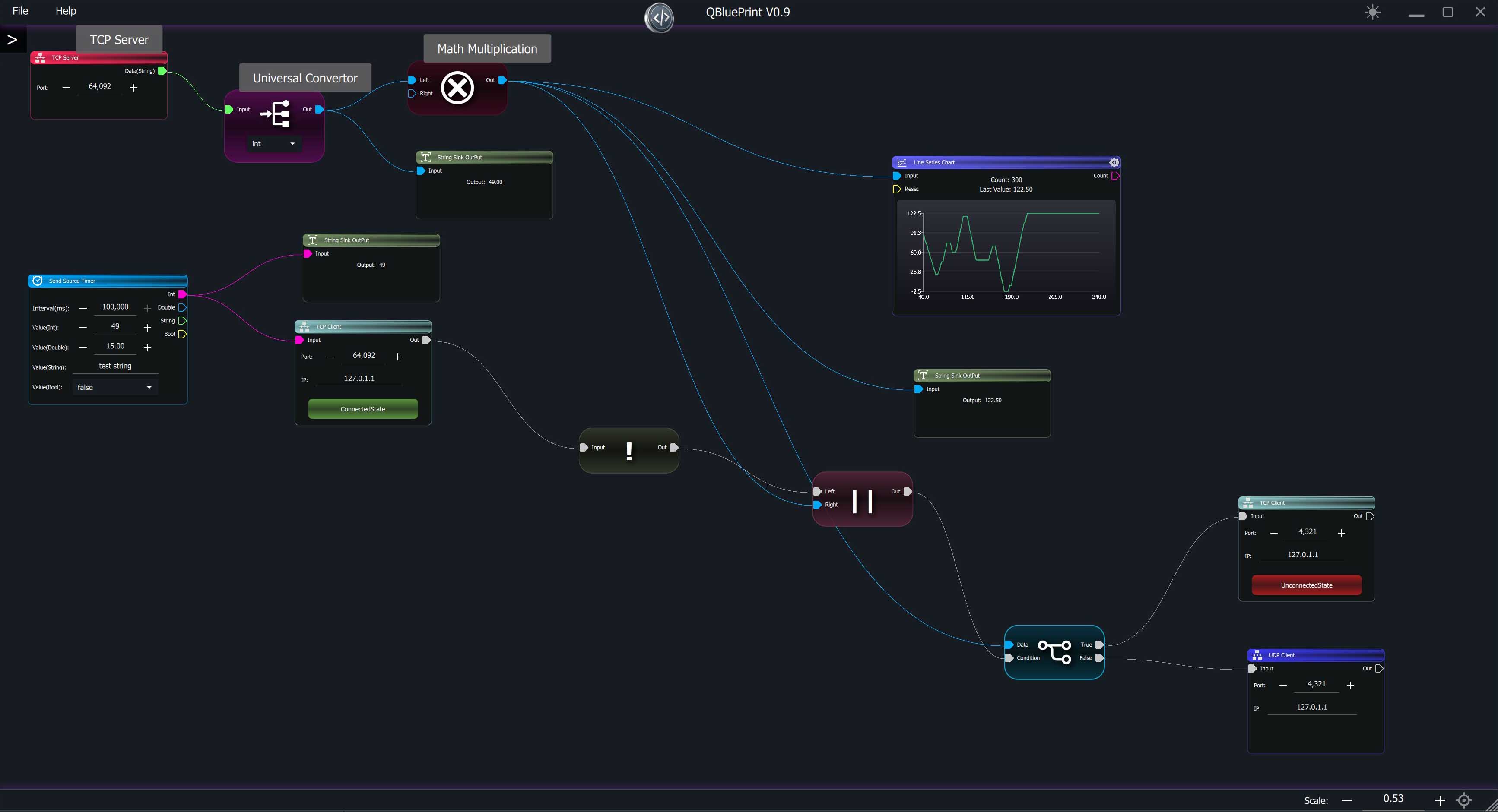
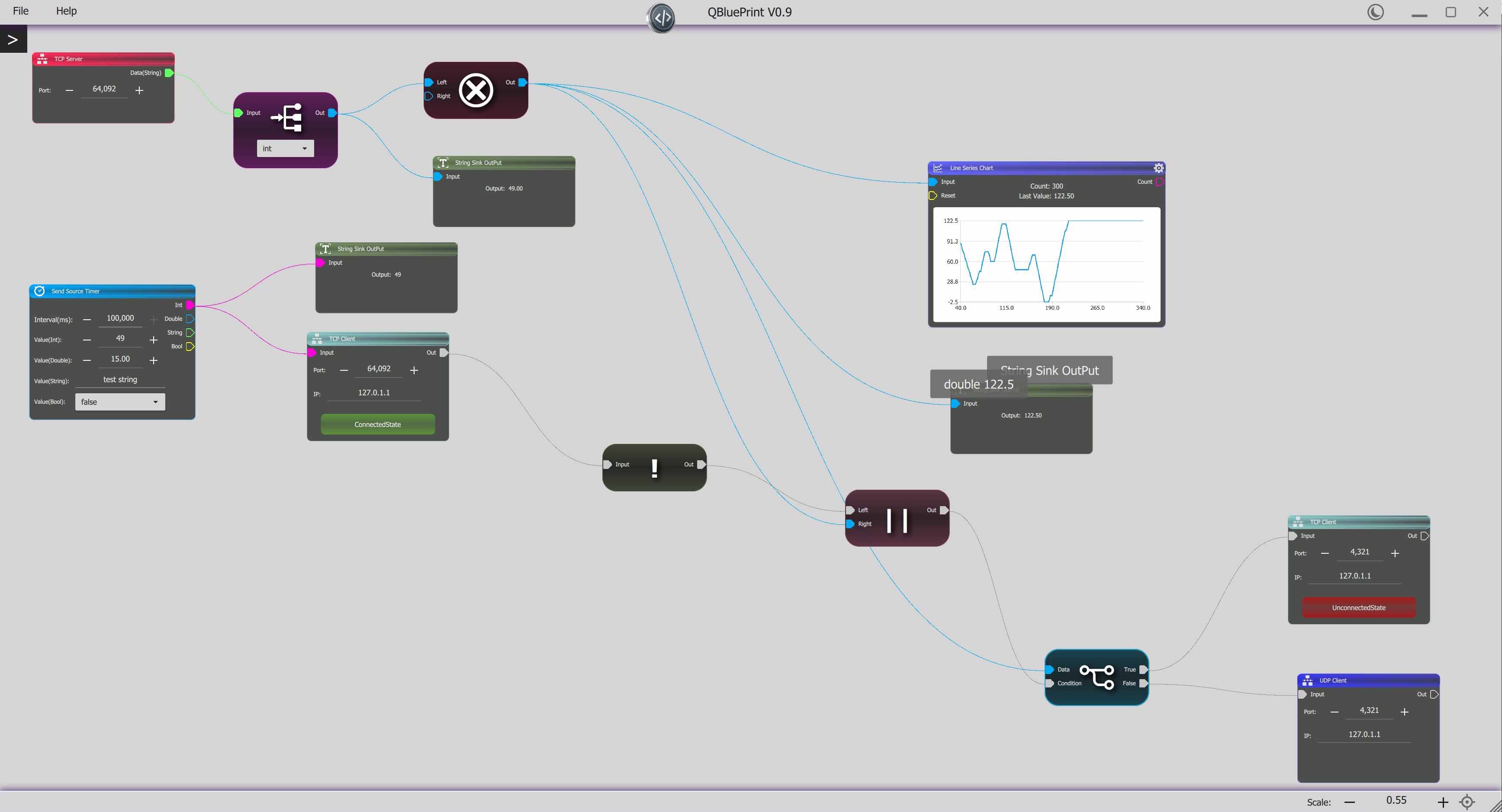
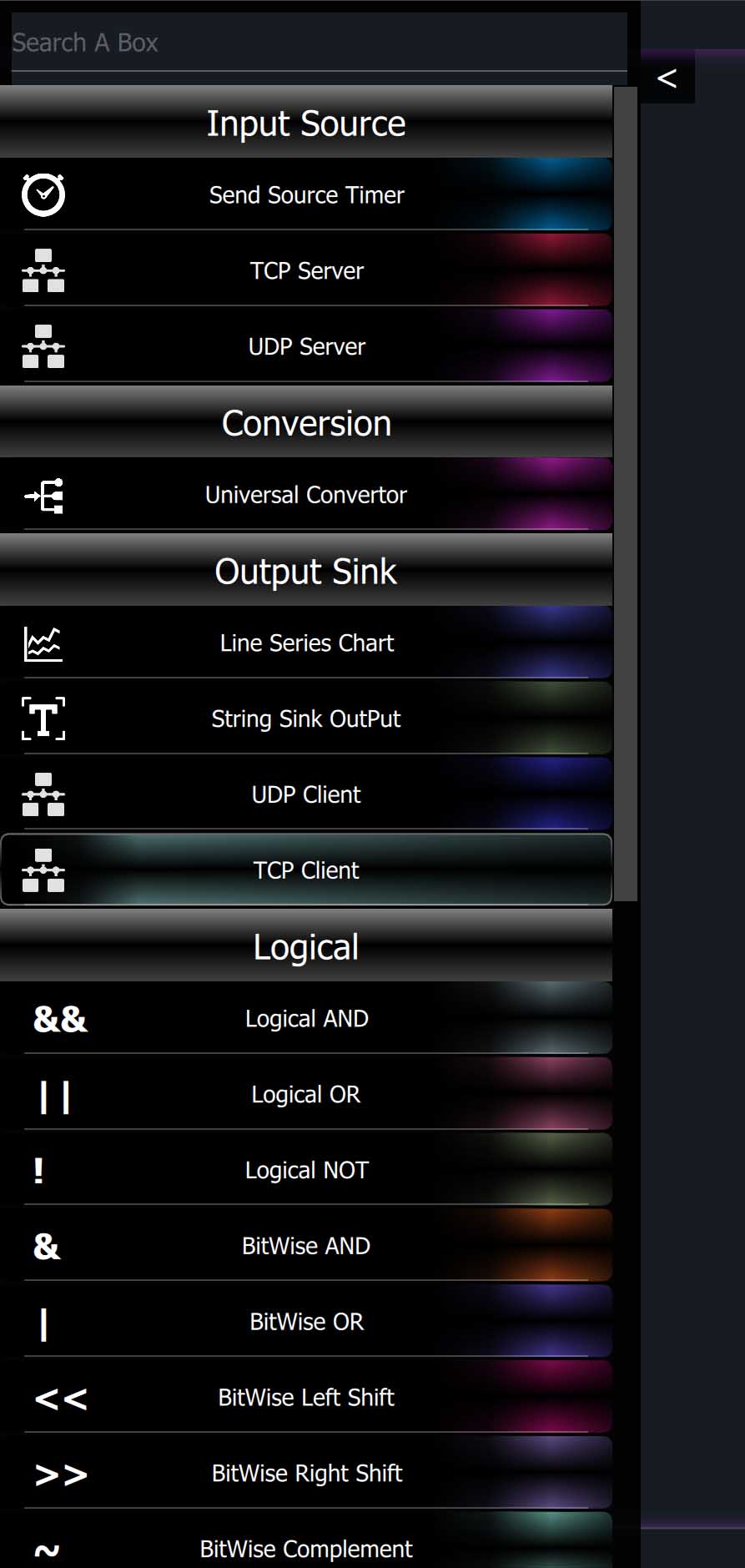
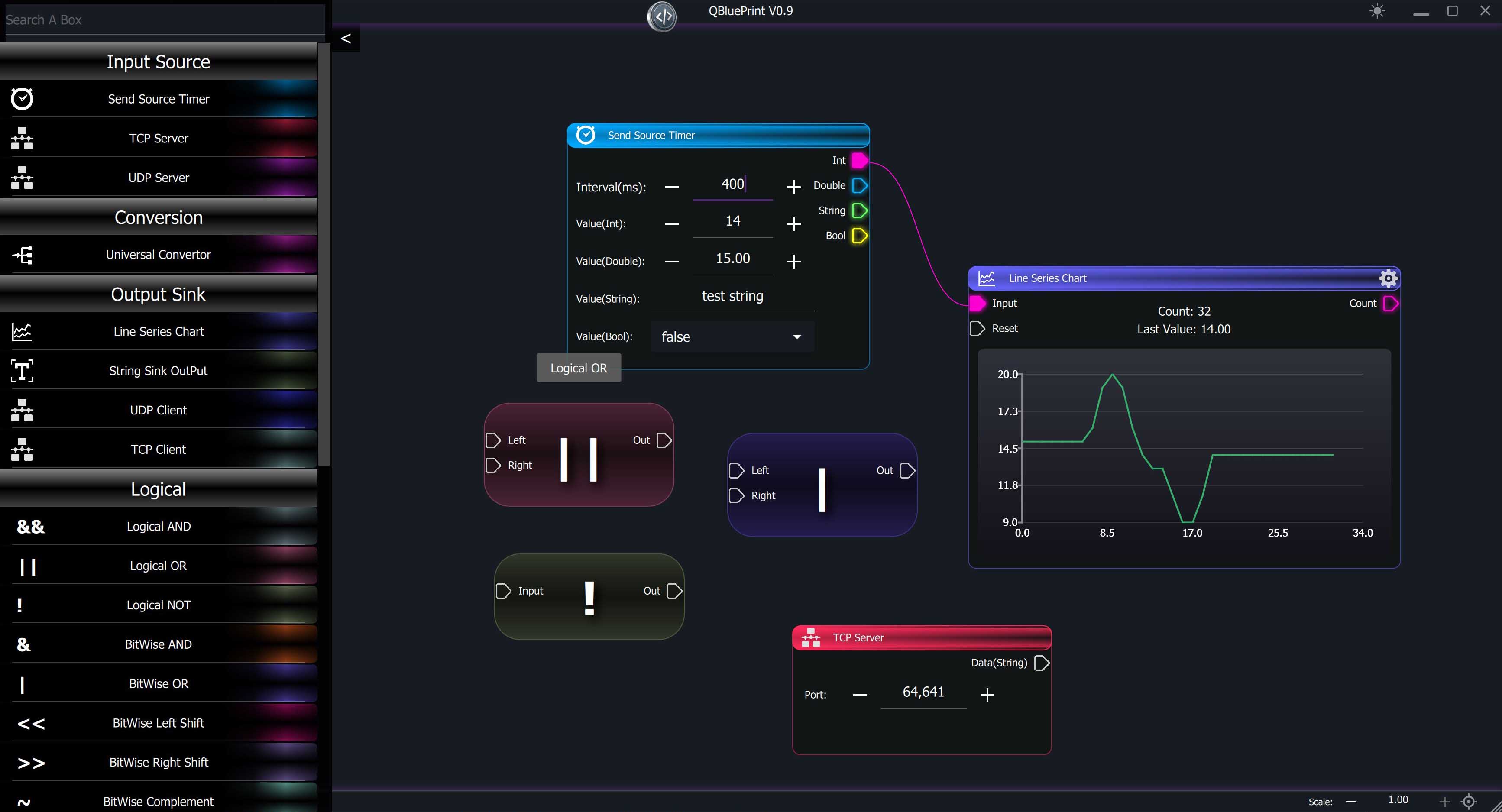
I developed QBlueprint, a visual programming tool built with Qt C++ and QML, designed to help users create logic flows through a simple drag-and-drop interface without the need for coding. The application features functional boxes for logical, mathematical and comparison operations, plus input/output sources such as TCP/UDP communication and chart visualizations.
Users connect boxes to define data flows and create complex logic visually. It supports TCP/UDP, HTTP, file operations, charting and runtime JavaScript scripting, plus JSON save/load, multi-page workspaces, themes and zooming. A custom recursive heterogeneous array type supports advanced data flows while keeping the system extensible for future node types.
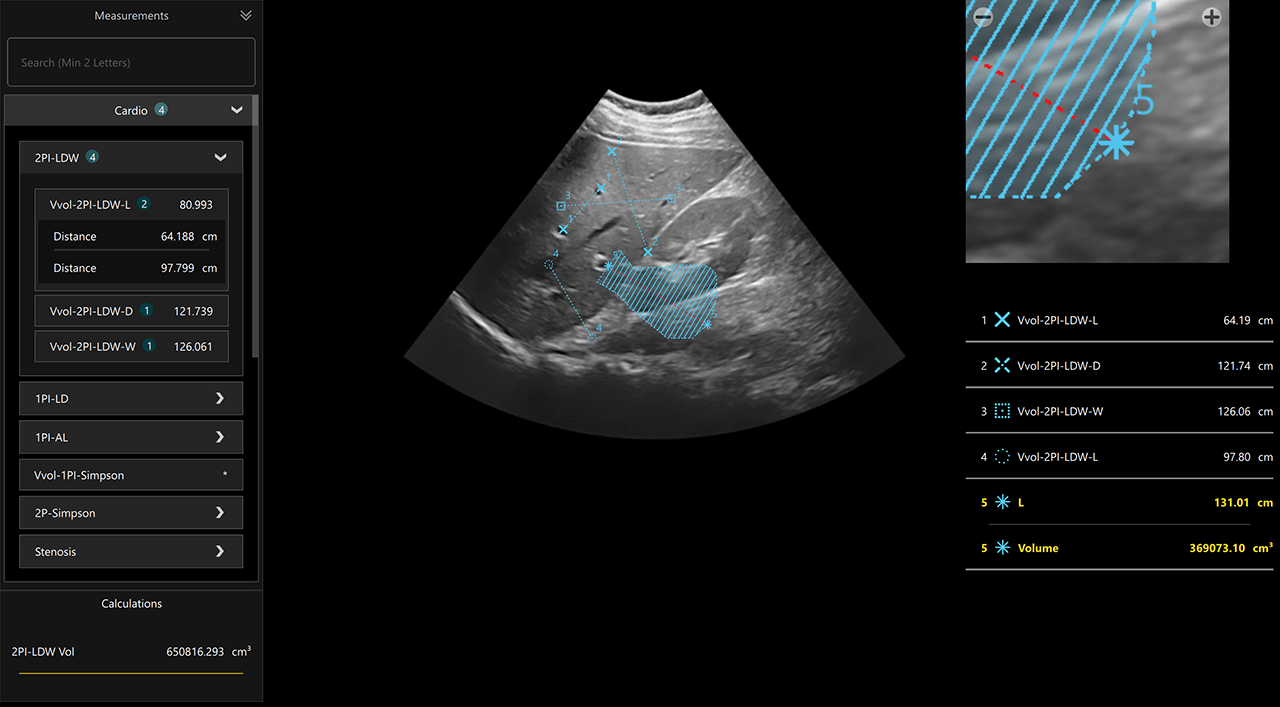
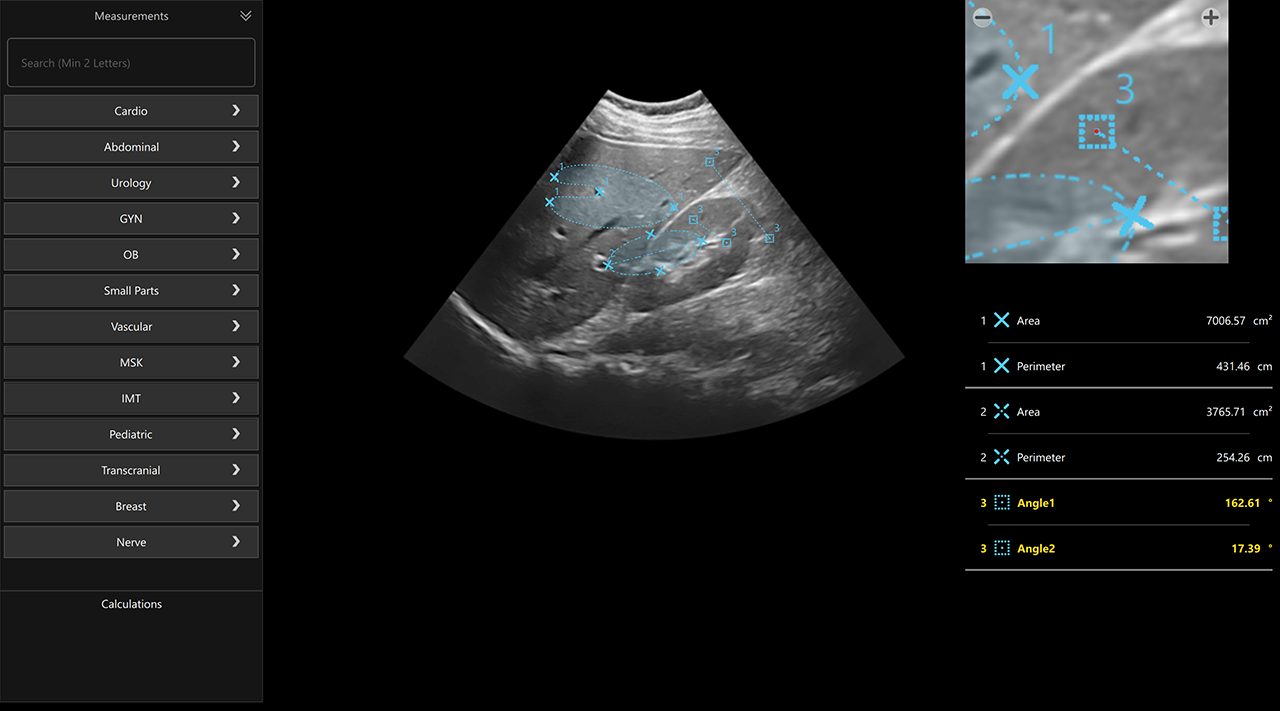
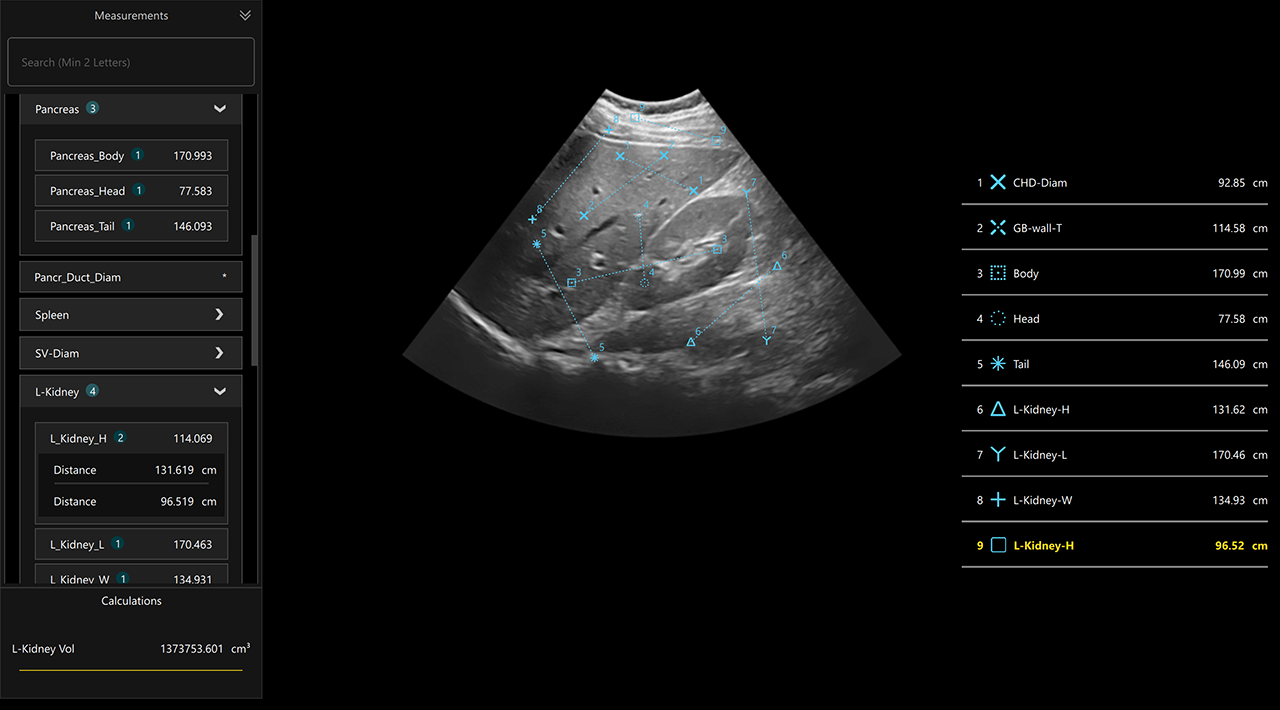
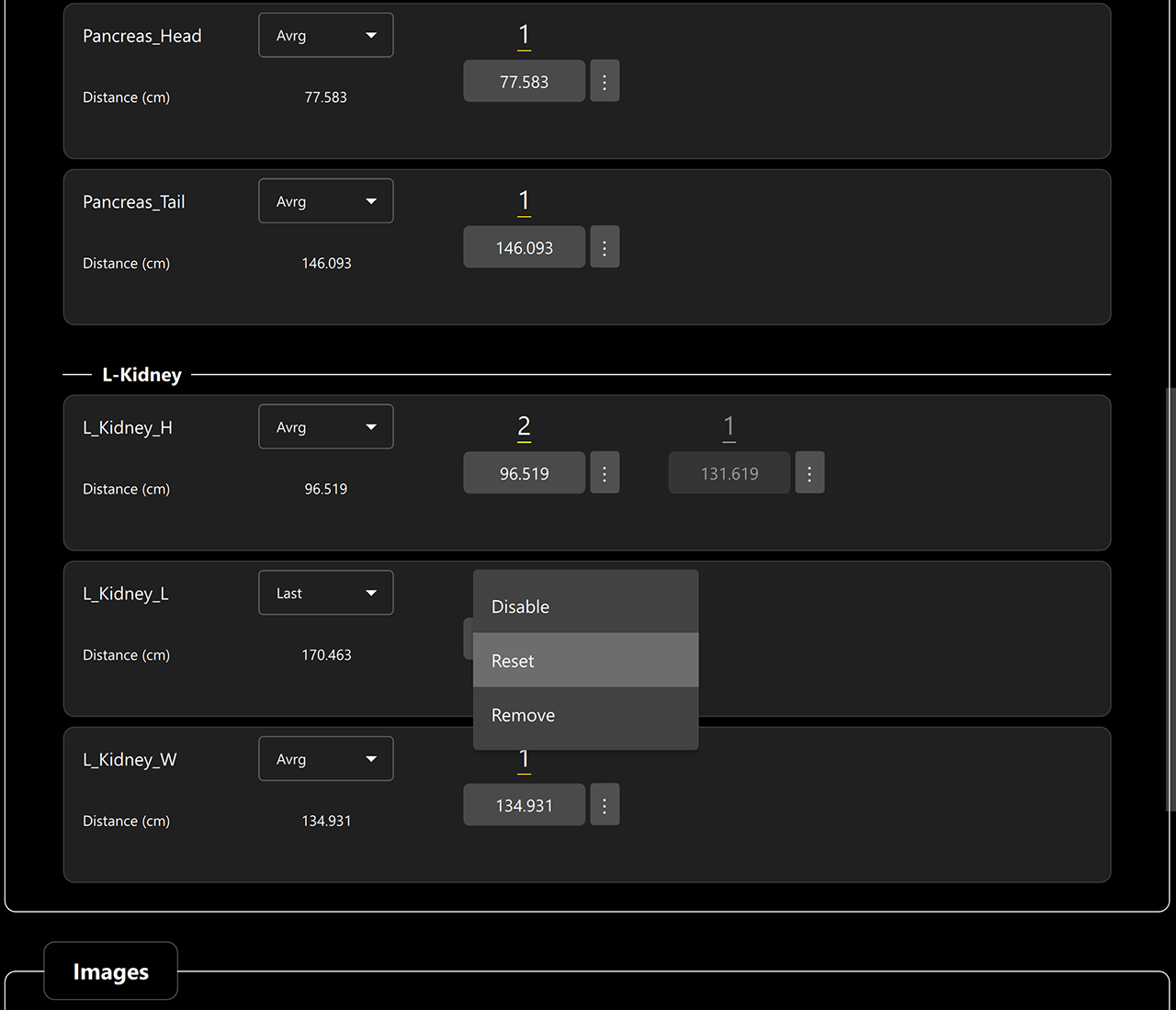
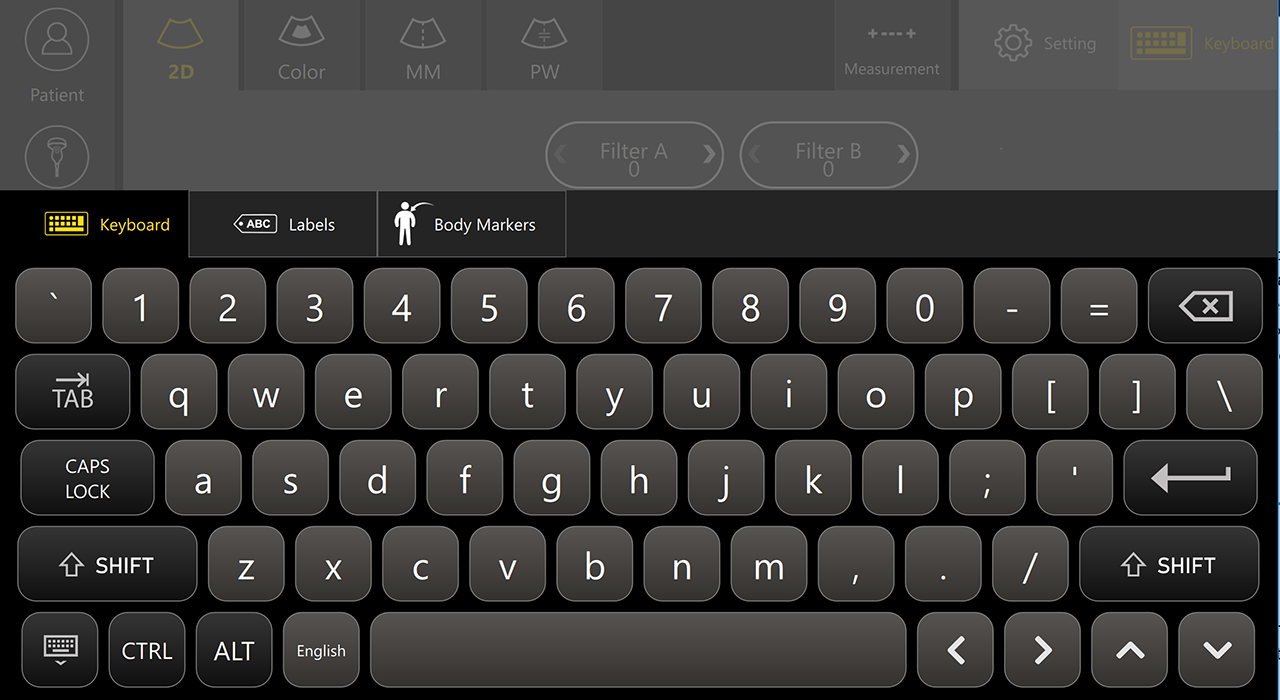
I worked as a C++ developer on an ultrasound sonography imaging machine, using Qt and QML for UI and system development. My responsibilities included measurements, touch panel and system integration.
I developed over 500 measurement tools, including spline, trace, ellipses, angles, volume and numerous application-specific calculations, solving complex mathematical problems to ensure accurate results. I also built a custom virtual keyboard from scratch with multiple pages, body labels, body markers, multilingual support and advanced functionality. A magnifier tool allowed doctors to place points with high accuracy. The measurements and most GUI elements were inspired by the latest Philips ultrasound machines, ensuring a modern and intuitive experience.
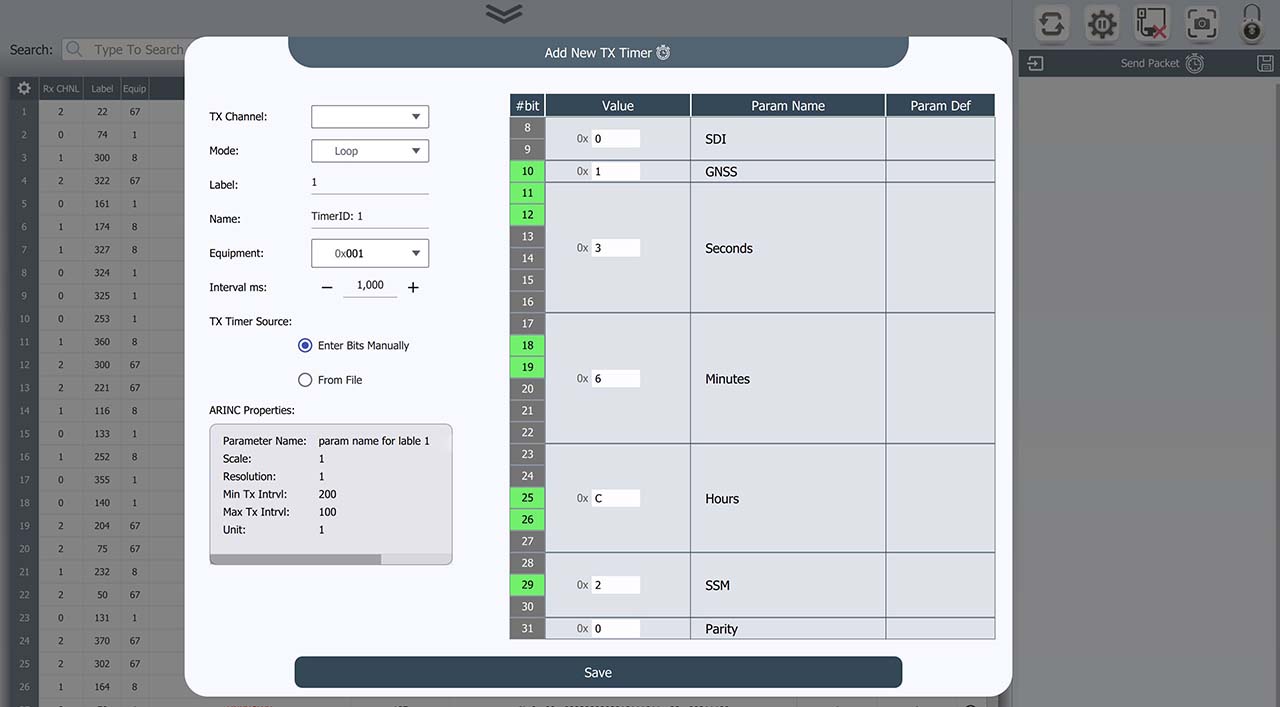
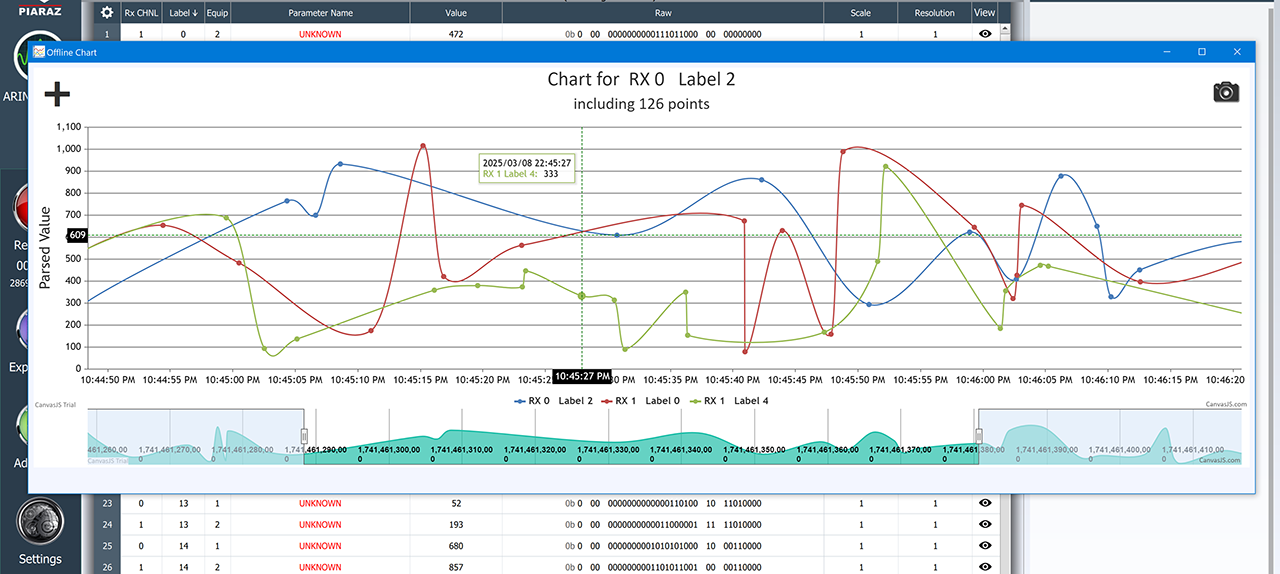
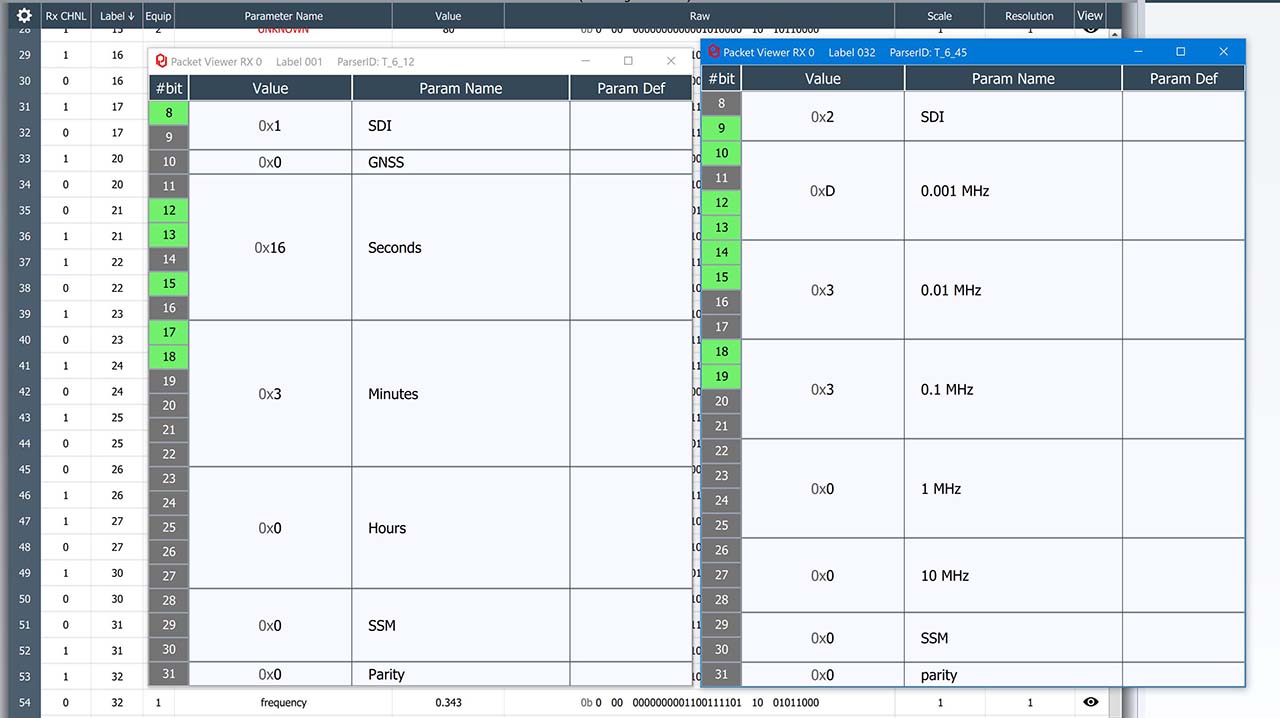
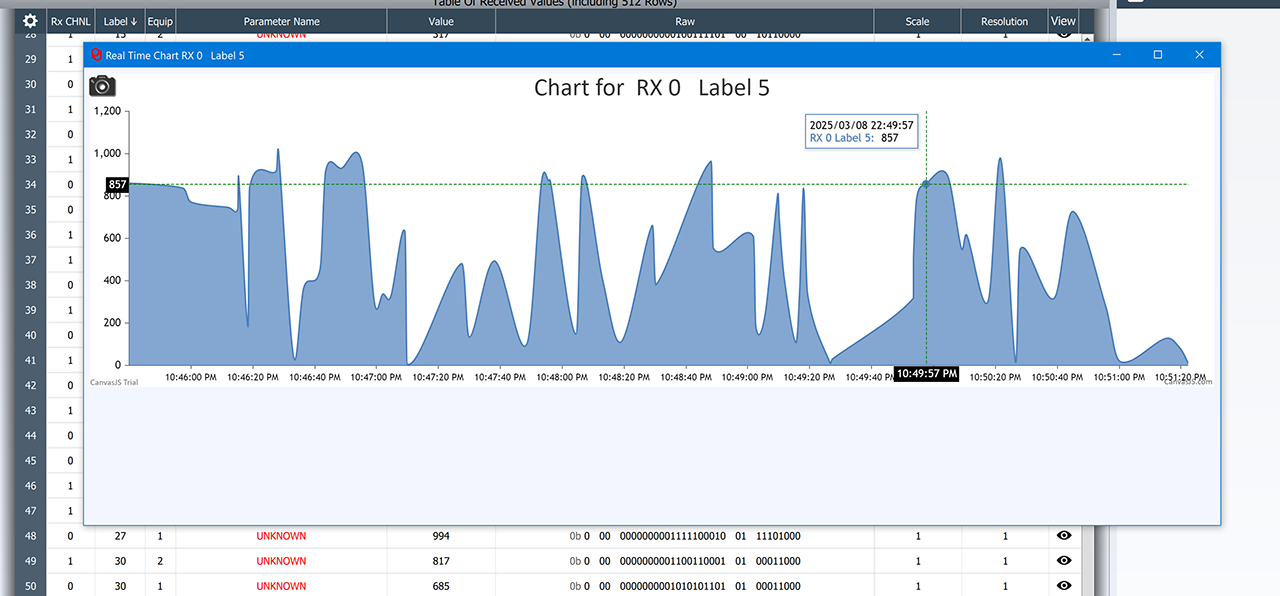
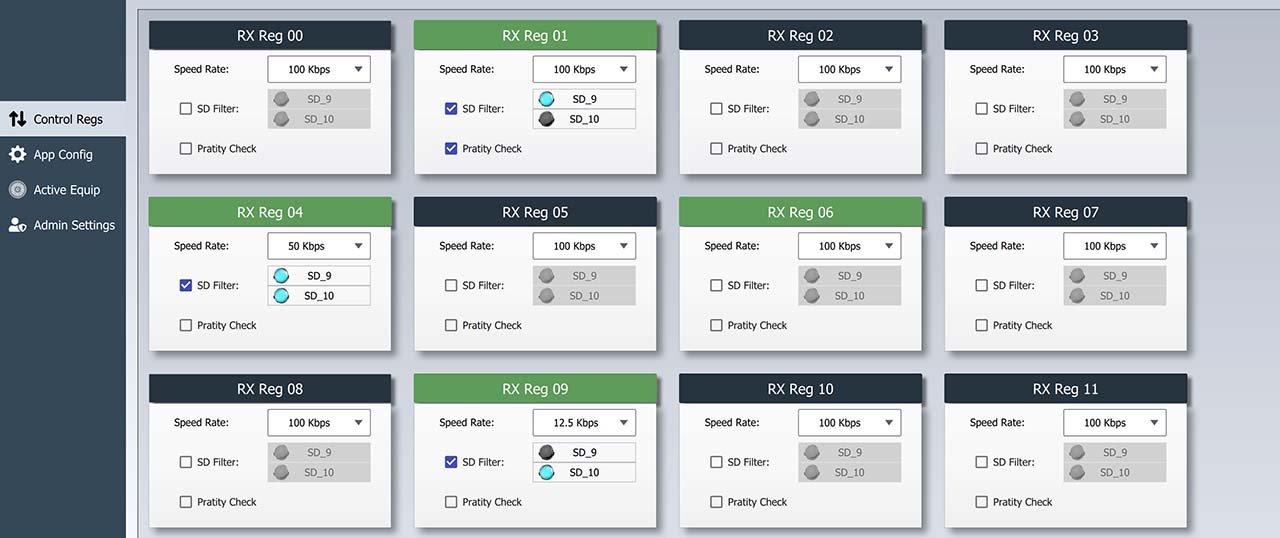
I developed a Windows software solution for hardware designed to capture and analyze ARINC 429 data using Qt C++, QML and Modbus TCP. Integrated into commercial aircraft facilities, it captured packets for real-time analysis and supported bi-directional communication for hardware configuration, commands and data transmission.
The software included over 50 real-time packet parsers, database storage and replay, and interactive charts using WebEngine and CanvasJS. Data flowed directly from C++ for smooth rendering of thousands of points and multiple channels. Users could create and transmit custom TX packets manually or from CSV files at predefined intervals, and configure channel IDs, labels, equipment and parsers. Many features were inspired by Ballard Technology's Copilot software.
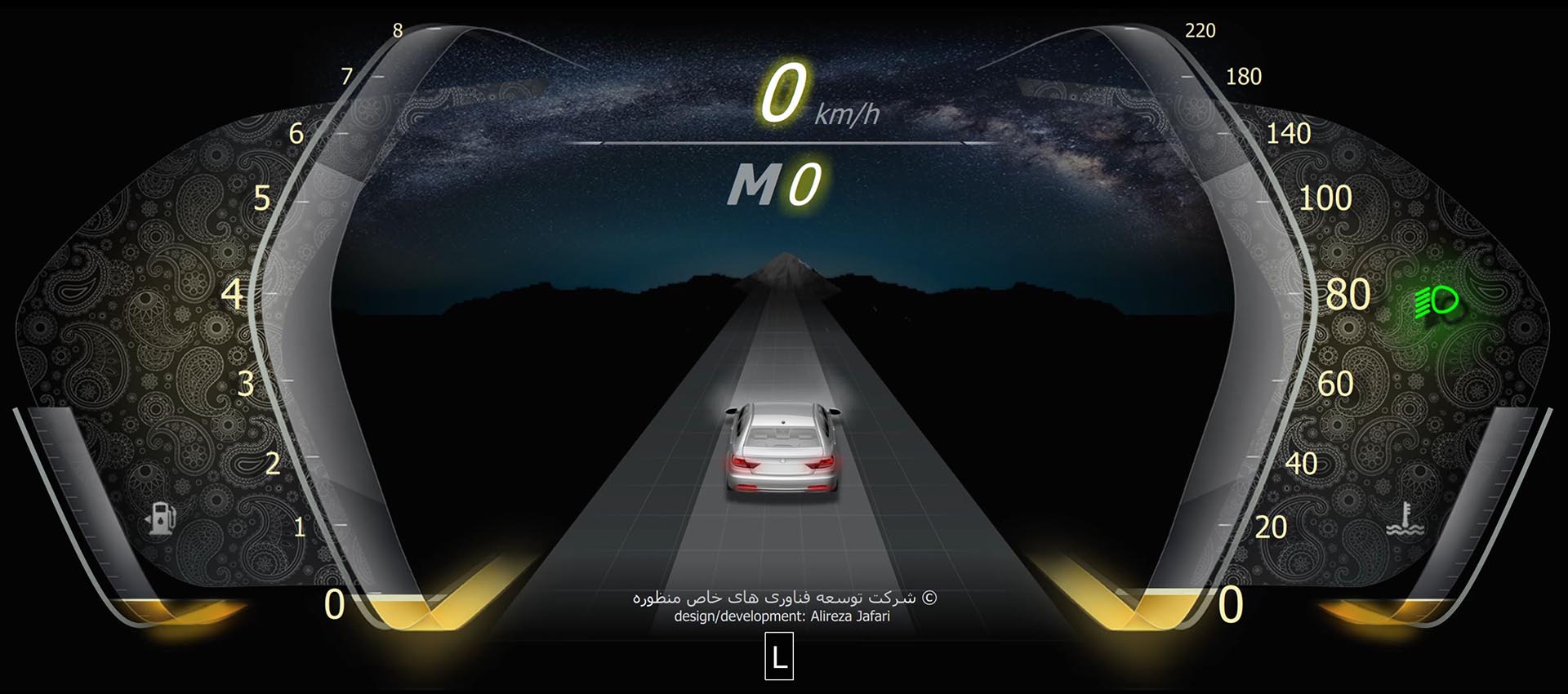
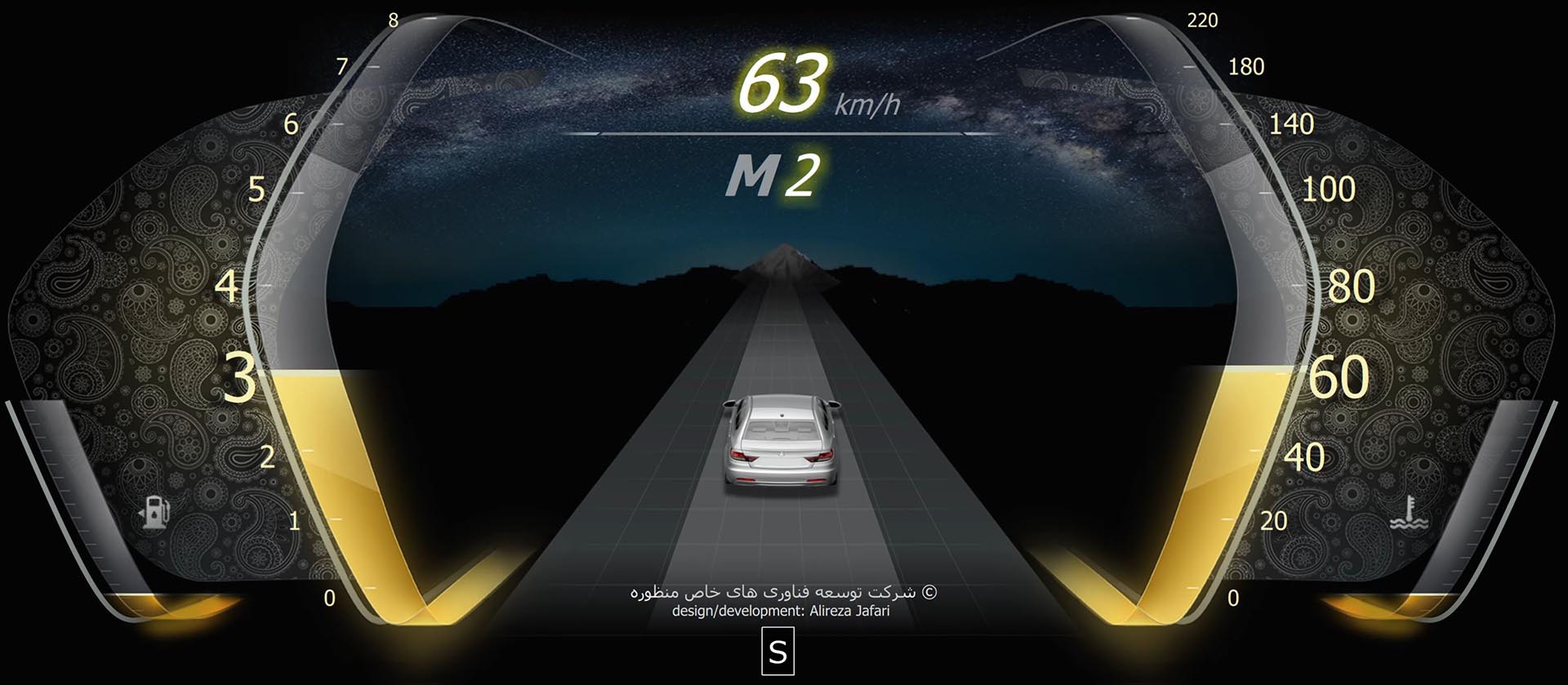
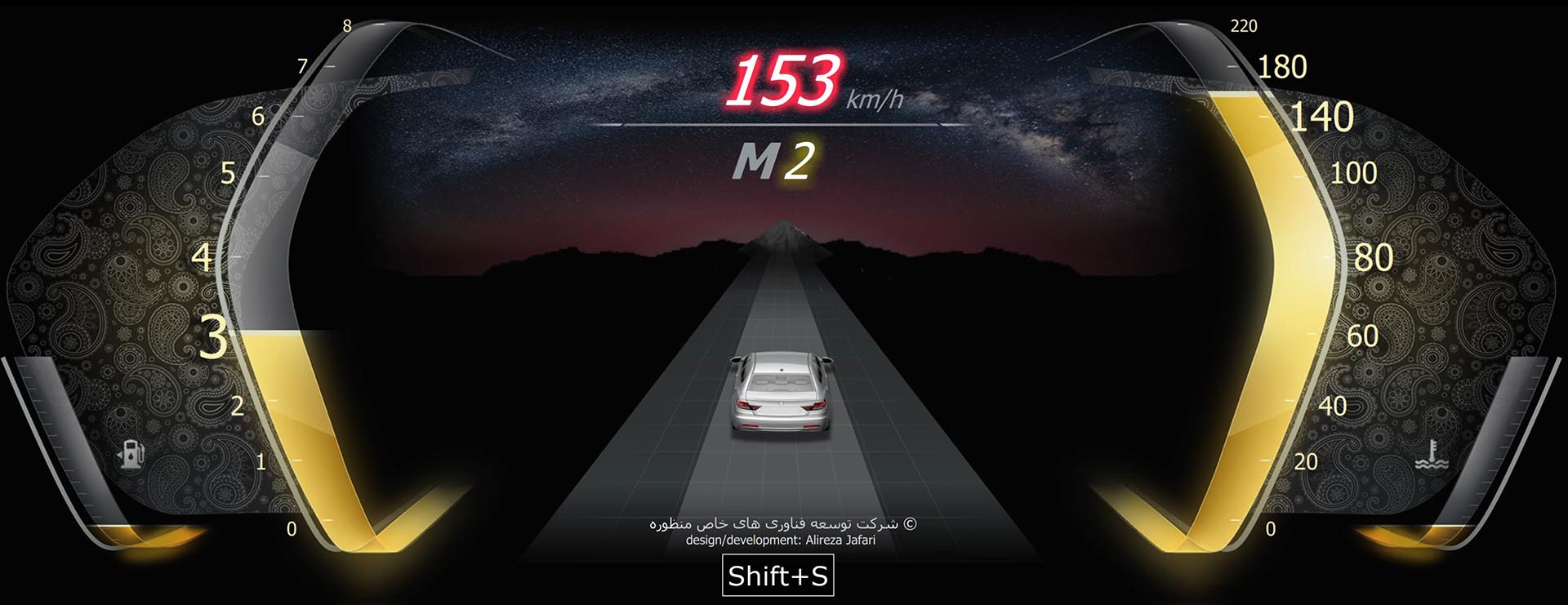
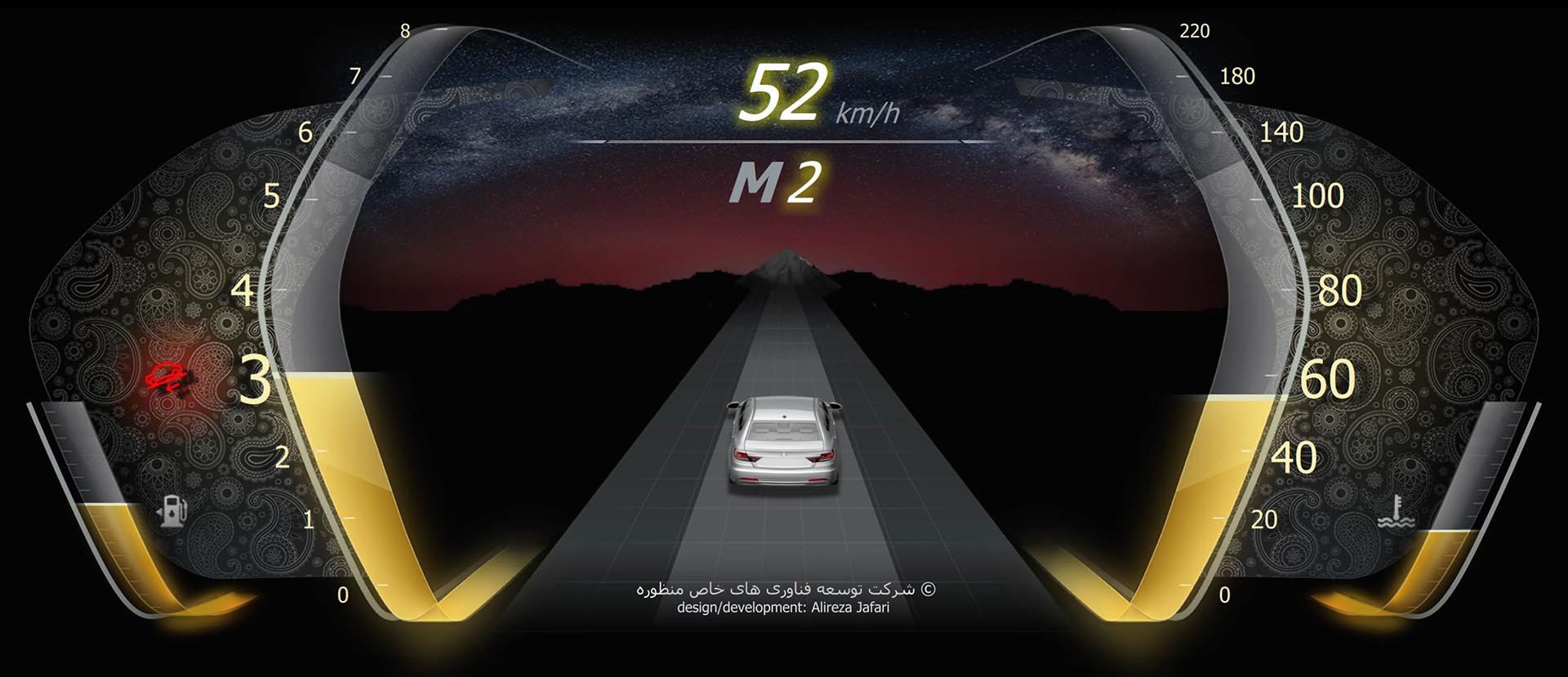
As the sole software developer for a cutting-edge digital instrument cluster, I used Qt, QML and C++ to design and develop a highly efficient application. Inspired by BMW and Mercedes-Benz, I created multiple themes and implemented all major cluster functions, including Diagnostic (UDS), networking (OSEK-NM) and manufacturer-specific protocols.
The product was tailored for IKCO TARA and SAIPA SHAHIN/ARIA vehicles and integrated with their CAN matrix data. It achieved 60 FPS on embedded Linux running on a single-core SoC, with smooth performance and fast boot times. The project was recognized in the Khwarizmi Youth Award under the Practical Innovation category.
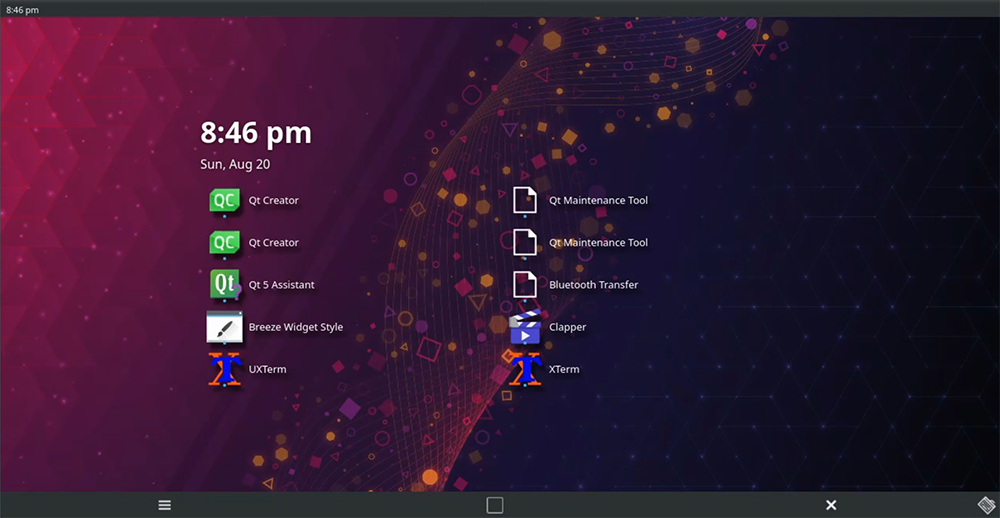
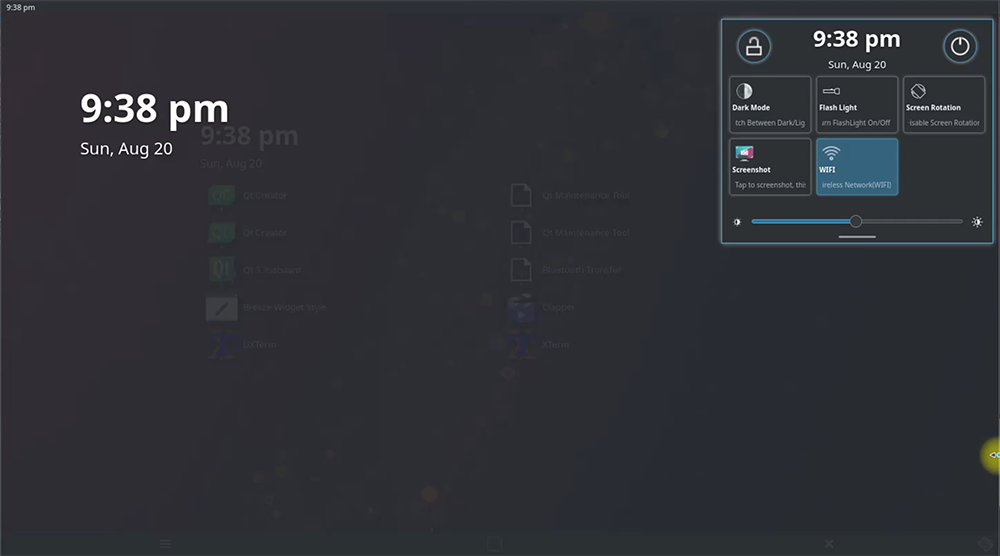
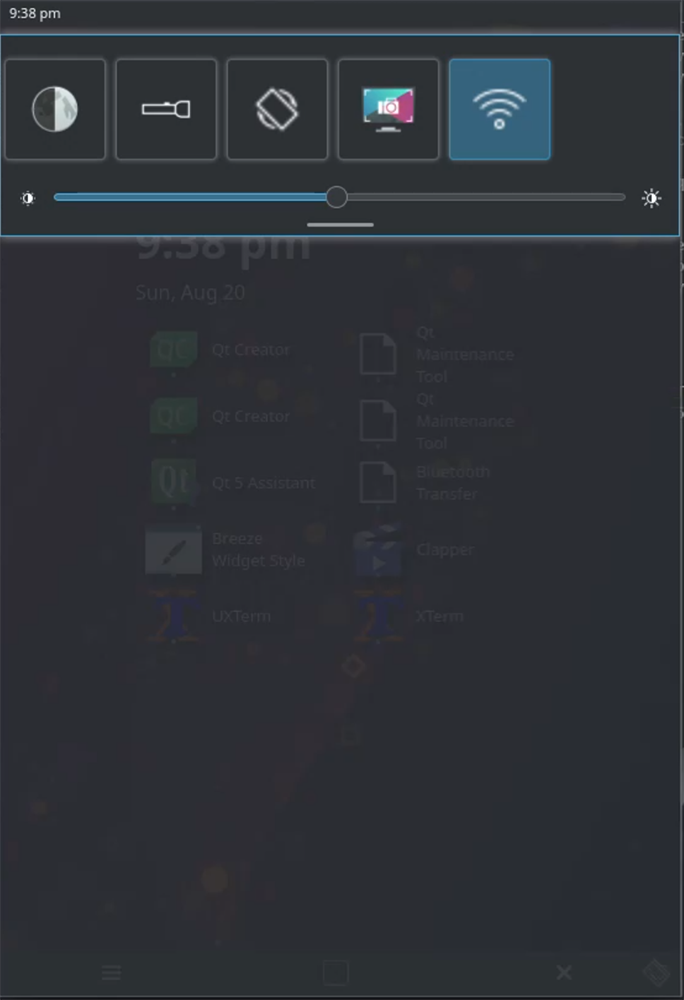
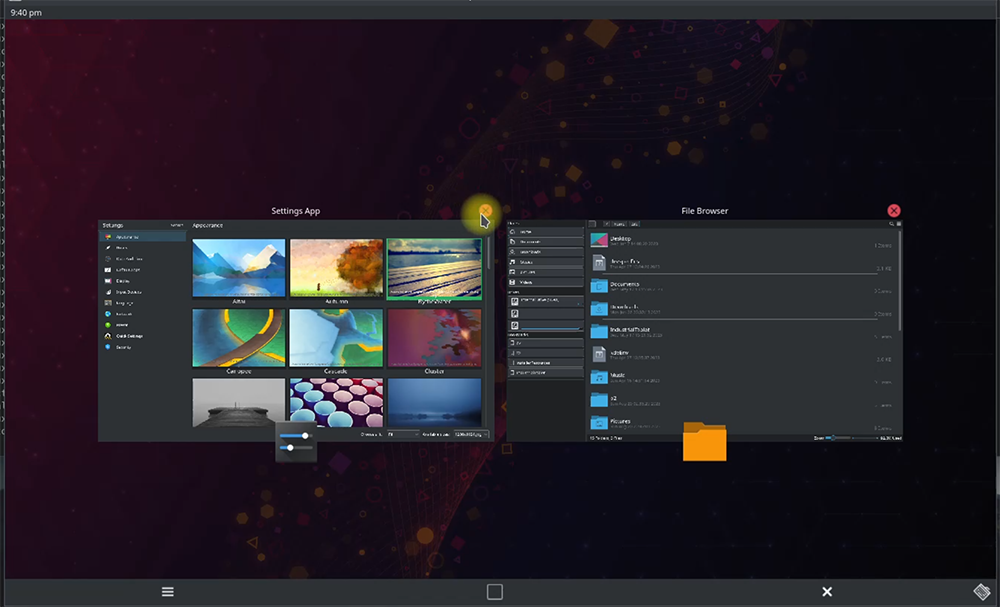
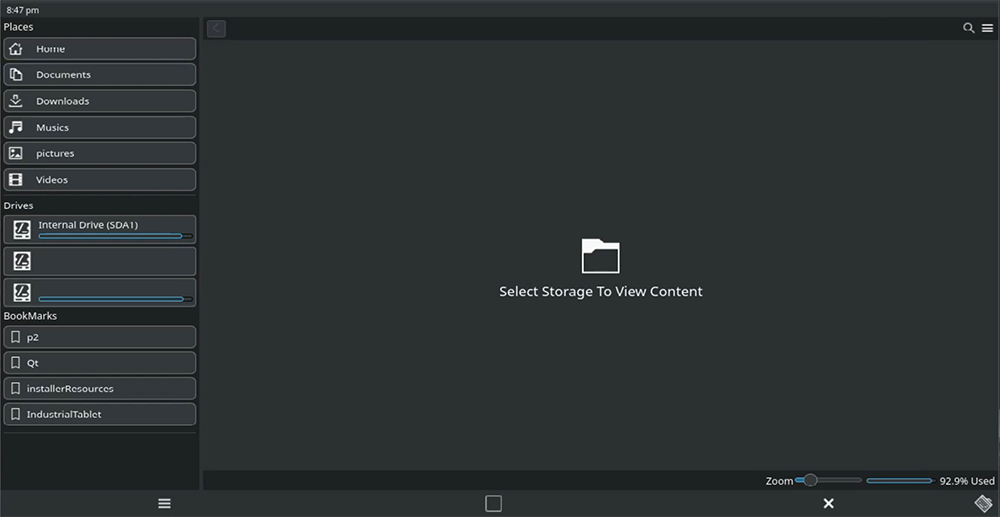
As the sole software developer, I designed and developed a comprehensive launcher application for an embedded-Linux-based HMI, adhering to XDG specifications. Using Qt, C++, QML and the Wayland protocol, I engineered a robust windowing system, seamless task switching and a complete desktop environment.
After studying KDE Plasma's architecture and source, I implemented the environment from scratch with Qt as the only dependency, avoiding KDE's heavier module dependencies. I also built the file browser, image viewer, text editor and settings manager, plus Android-inspired quick settings, search and a customizable home page.
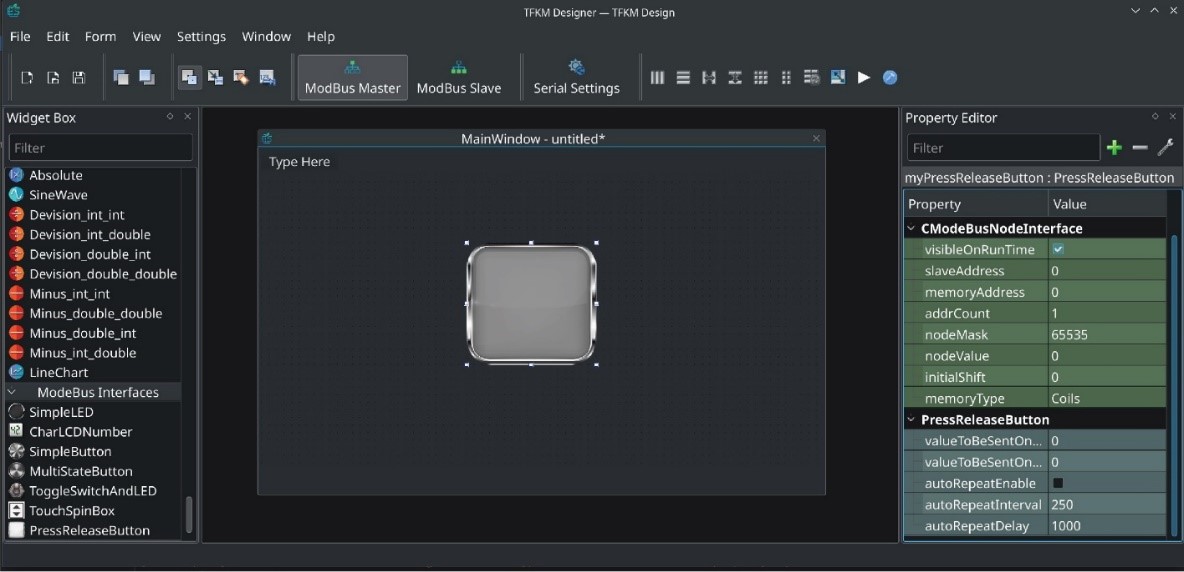
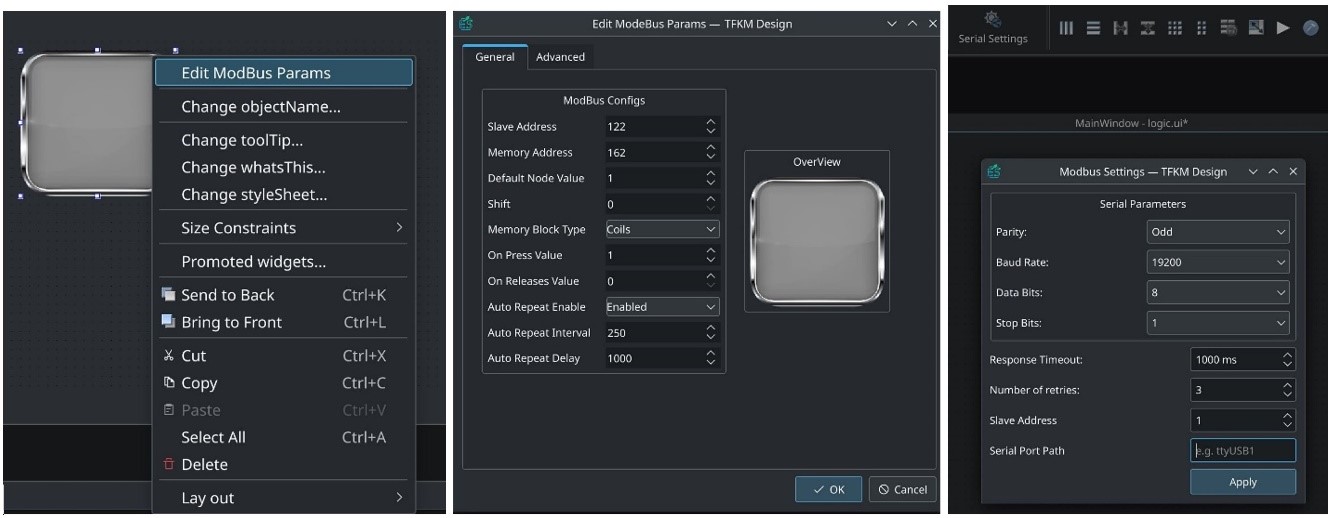
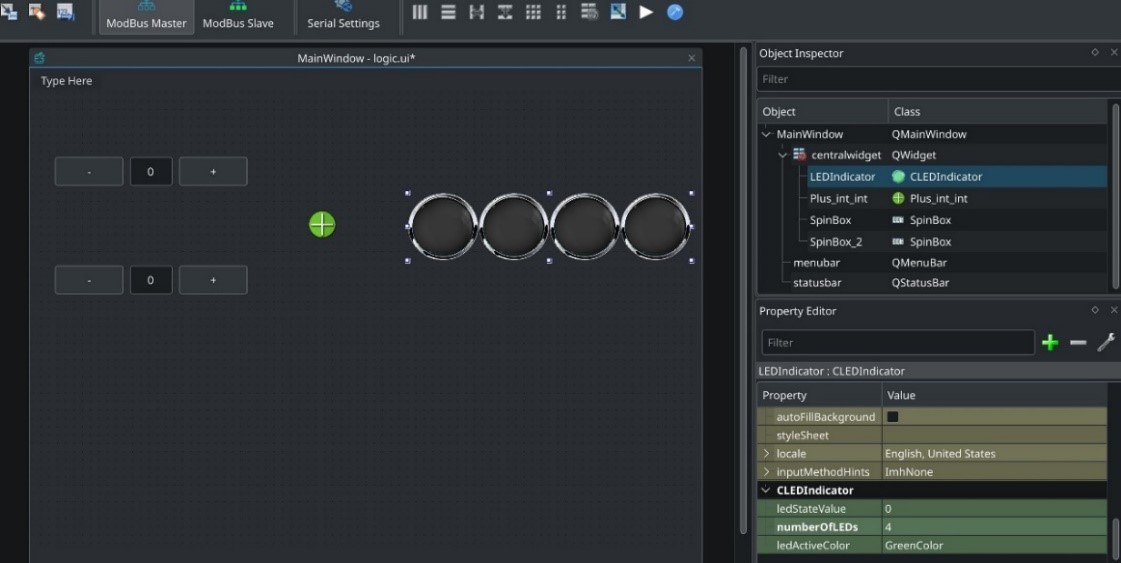
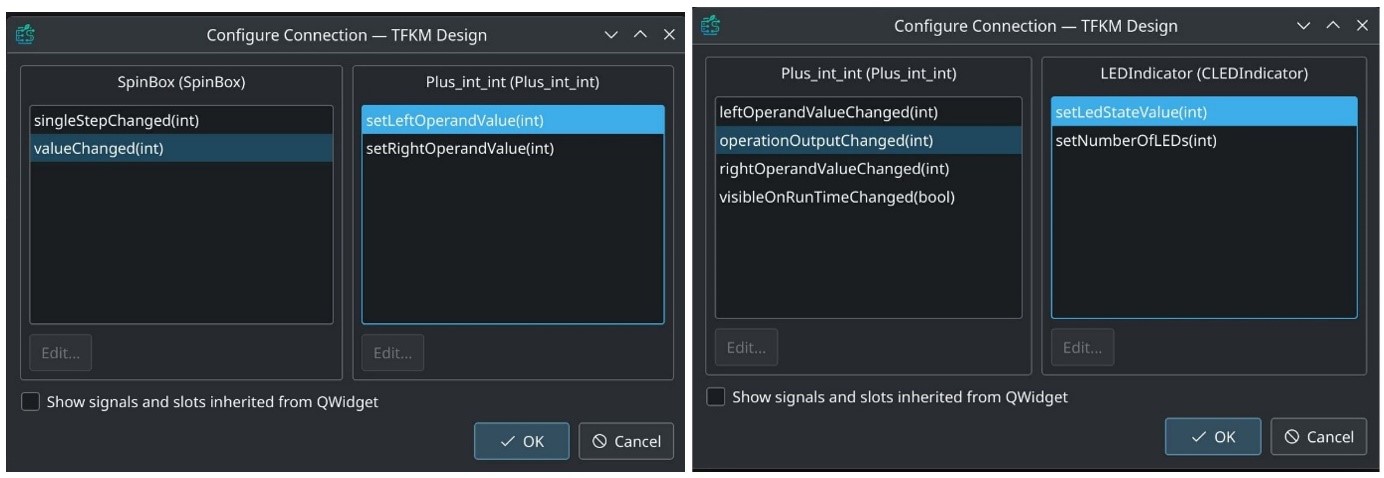
I designed and developed a lightweight visual environment that allowed non-programmers to build industrial HMI screens and control logic for a low-cost SoC running customized embedded Linux.
I extended Qt Designer with custom plugins for visual logic building and Modbus serial communication, modified its core for the target constraints, and developed the on-device runtime that parsed and executed the generated GUI and logic files.